


When it comes to maintaining optimal oral health, choosing the right toothbrush is essential. With a wide variety of options available, from manual to electric brushes, the decision can be overwhelming. But no matter which type you choose, the goal is the same: to clean your teeth effectively, remove plaque, and maintain gum health. In this comprehensive guide, we will explore the differences between manual and electric toothbrushes, their benefits, and how to choose the one that’s right for you.
Manual Toothbrushes: The Classic Choice
Manual toothbrushes have been the go-to tool for oral hygiene for centuries. Despite the rise in popularity of electric toothbrushes, manual toothbrushes are still widely used due to their simplicity and affordability.
Pros of Manual Toothbrushes:
- Cost-Effective: Manual brushes are much more affordable compared to electric toothbrushes. You can purchase a good quality manual toothbrush for just a few dollars, making them a budget-friendly option.
- Portability: Lightweight and compact, manual toothbrushes are easy to carry, making them ideal for travel or on-the-go use.
- Variety: Manual toothbrushes come in various sizes, shapes, and bristle types, allowing you to select the one that best suits your mouth and personal preferences.
Cons of Manual Toothbrushes:
- Requires More Effort: To effectively clean your teeth, you need to manually move the brush in the right direction (up and down, circular motions), which can be less efficient compared to electric toothbrushes.
- Less Consistency: Since manual brushing relies on technique and effort, some individuals may not apply the proper pressure or brush for the recommended time (2 minutes), leading to inadequate cleaning.
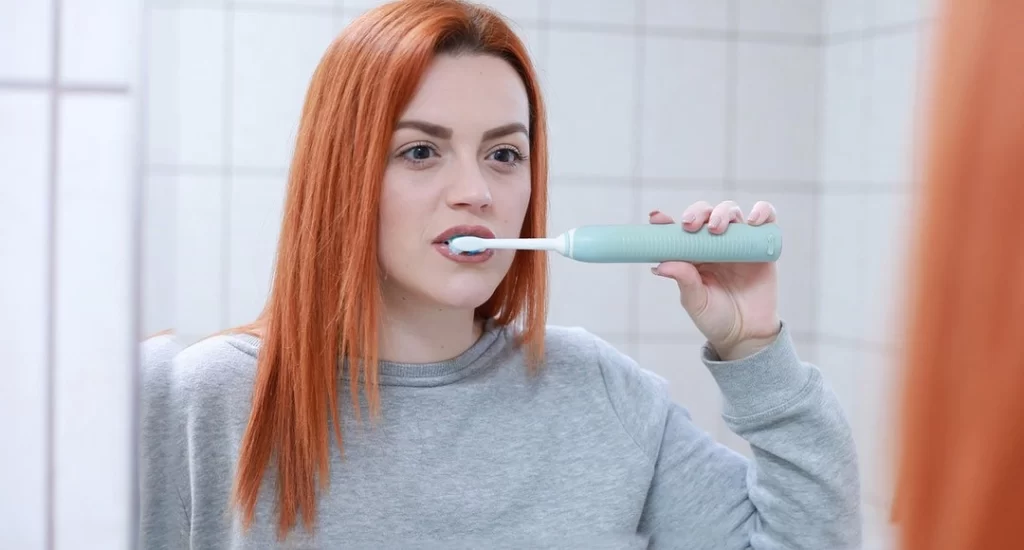
Electric Toothbrushes: The Modern Alternative
Electric toothbrushes have gained widespread popularity over the last few decades. Powered by either a battery or a rechargeable power source, they offer a hands-free approach to brushing.
Pros of Electric Toothbrushes:
- Superior Cleaning Efficiency: The rapid, automated bristle movements help remove plaque and food particles more effectively than manual brushing. Many electric toothbrushes provide up to 30,000 brush strokes per minute, which is significantly higher than the strokes you can achieve manually.
- Built-In Timers: Most electric toothbrushes come with built-in timers that ensure you brush for the full 2 minutes, which is recommended by dentists. Some models even have quadrant timers, which remind you to switch areas of your mouth every 30 seconds.
- Ease of Use: Electric toothbrushes are easier to use, requiring less effort. This can be especially beneficial for people with limited dexterity, such as the elderly or those with arthritis.
- Pressure Sensors: Some models feature pressure sensors that alert you if you are brushing too hard, helping to prevent gum damage.
Cons of Electric Toothbrushes:
- Price: Electric toothbrushes tend to be more expensive than manual brushes, especially the high-end models with advanced features.
- Bulkier: While portable, electric toothbrushes are larger and require more space, which can be inconvenient for travel or small bathrooms.
- Battery Maintenance: Electric toothbrushes require regular charging, and in some cases, the batteries may need to be replaced after a few years.
How to Choose the Right Toothbrush for You
When deciding between a manual and electric toothbrush, consider the following factors:
1. Your Budget
If you’re on a tight budget, a manual toothbrush is a cost-effective option. Electric toothbrushes, though a bit pricier, can be a long-term investment in your oral health.
2. Your Oral Health Needs
- Electric toothbrush: If you struggle with technique, or if you have braces, dental work, or a condition that makes brushing difficult, an electric toothbrush could make the task easier and more efficient.
- Manual toothbrush: If you have healthy teeth and gums, and brushing with a manual toothbrush has been effective, then sticking with it could work just fine for you.
3. Ease of Use
Electric toothbrushes are ideal for individuals with limited dexterity or those who want to make brushing less effortful. If you have arthritis or another condition that affects your hands, an electric toothbrush can help you brush more comfortably.
4. Motivation and Consistency
Electric toothbrushes often encourage better brushing habits. The built-in timer and ease of use can motivate you to brush for the full two minutes and make brushing feel more like a habit.
Additional Features to Consider
When choosing an electric toothbrush, you may want to consider features that can enhance your brushing experience:
- Smart Technology: Some advanced models sync with smartphone apps to track brushing habits, provide feedback, and suggest improvements.
- Interchangeable Brush Heads: Look for toothbrushes that offer a variety of brush head types, such as soft bristles or brush heads designed for sensitive gums, for a more customized experience.
- Travel Cases and Chargers: If you travel frequently, choose a toothbrush with a travel case and easy-to-carry charging options.
Conclusion
Whether you choose a manual or electric toothbrush, the most important thing is that you brush your teeth effectively and consistently. Both types of toothbrushes have their own set of advantages, and the decision ultimately depends on your personal preferences, budget, and specific oral health needs.
Regardless of your choice, remember to follow the basic principles of good oral hygiene: brush twice a day, floss daily, and visit your dentist regularly. Whichever toothbrush you use, taking the time to properly care for your teeth will help you maintain a healthy, bright smile for years to come.
